
3 min read ·
Two Hours of Sleep Is Usually Better Than None—but Not Enough
Choose two hours of sleep over an all-nighter, but allow for waking grogginess. Learn how to use the window and manage the next day's safety risks.
Written by
Staff research and writing, reviewed against the sources listed at the foot of every article.
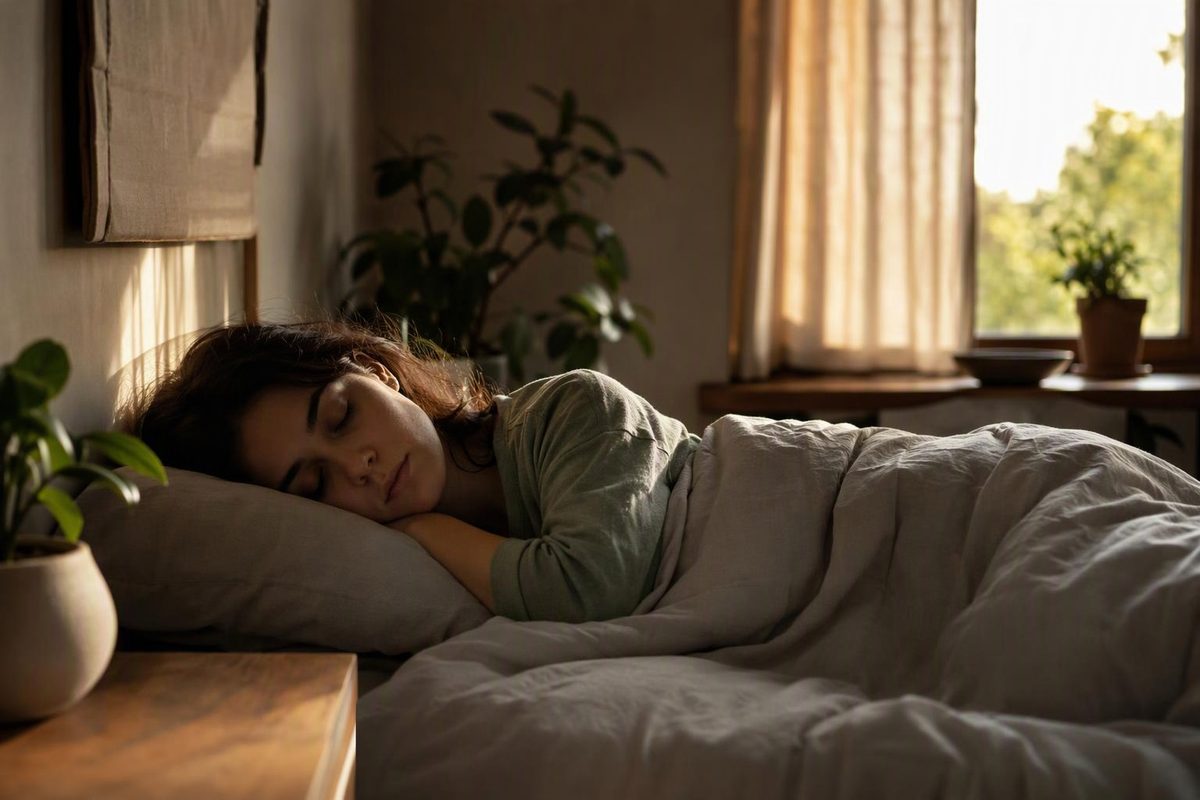
If you’re an otherwise healthy adult choosing between two hours of sleep and staying awake all night, choose sleep. It can improve next-morning attention compared with no sleep. The important catch is the period immediately after waking: sleep inertia can leave you temporarily groggy and impair your performance.
Two hours is damage limitation, not adequate rest. Adults generally need 7–9 hours a night, and a short sleep does not establish that you’re safe to drive or do hazardous work.
What two hours can—and cannot—do
Sleep pressure builds the longer you stay awake and decreases during sleep. Staying up continues that buildup; sleeping interrupts it. That is the basic reason some sleep is generally preferable to an all-nighter. NIOSH explains this sleep-pressure process.
There is also research addressing the exact comparison. A 1999 cross-study analysis compared participants allowed 0, 2, 5, or 8 hours of sleep the previous night. At 10 a.m., performance on a psychomotor vigilance task—a test of sustained attention and reaction speed—improved with increasing sleep duration. The fitted curves showed faster improvement over the first hours of sleep, with slower additional gains as sleep duration increased. Subjective sleepiness improved more slowly than objective vigilance. Read the study abstract.
That supports choosing two hours over zero, but not treating two hours as equivalent to a full night. It was a comparison across studies, not one randomized trial testing every duration under identical conditions. It also measured a specific attention task at a specific time—not every aspect of judgment, memory, or real-world safety.
How to use the remaining window
If you have only two hours before you must get up:
- Go to bed now. Don’t spend the remaining window trying to calculate the perfect sleep cycle.
- Set a reliable alarm. Two hours available in bed does not necessarily mean two hours asleep.
- Keep the room dark, quiet, and comfortably cool. Avoid caffeine before trying to sleep; it can interfere with sleep for hours. NHLBI’s sleep-habit guidance supports these steps.
- Move a demanding morning task if possible. A wake-up buffer is preferable to going straight from the alarm to driving, machinery, or another critical task.
Don’t cut sleep to exactly 90 minutes
Sleep cycles are not fixed 90-minute units. NHLBI describes cycles restarting approximately every 80–100 minutes, with sleep-stage proportions changing through the night. A timer cannot guarantee that you will wake in a light stage. See NHLBI’s explanation of sleep stages.
If you can sleep longer, don’t discard available sleep solely to hit a supposed cycle boundary.
Expect grogginess, but don’t mistake it for wasted sleep
Sleep inertia is temporary disorientation and impaired performance after waking. It can slow reaction time, memory, and thinking. NIOSH describes effects often lasting around 30–60 minutes, sometimes longer, particularly when someone is sleep deprived. Allow time before critical tasks; that interval is not a guarantee of recovery. NIOSH’s sleep-inertia guidance.
Feeling awful when the alarm rings therefore does not prove that staying awake would have been better for the rest of the morning. It does mean you should not immediately assume you’re ready to perform safely. See our sleep inertia remedy guide for practical limits and next steps.
For driving, arrange another option or delay the trip rather than relying on two hours of sleep. NHTSA warns that seriously sleep-deprived people can still experience microsleeps after coffee. Caffeine and a short nap offer only temporary help, not a replacement for adequate sleep. NHTSA’s drowsy-driving guidance.
Protect the next sleep opportunity
Plan enough time for a full night rather than another two-hour night. If you need a daytime alertness boost, a 10–20-minute nap is a reasonable short-nap option; see how long to power nap. Keep it earlier in the afternoon, especially if falling asleep at night is already difficult. NHLBI advises limiting or moving naps earlier when nighttime sleep is a problem.
If two-hour nights keep happening despite having adequate time to sleep, discuss it with a healthcare provider. This is a one-off sleep-loss decision, not a treatment plan for insomnia or another sleep disorder.