
4 min read ·
Unplanned Naps May Be a Warning Sign—not a Dementia Diagnosis
Unplanned naps were linked to higher dementia risk in older adults in a 2026 study. Learn what the findings mean and when sleepiness needs evaluation.
Written by
Staff research and writing, reviewed against the sources listed at the foot of every article.
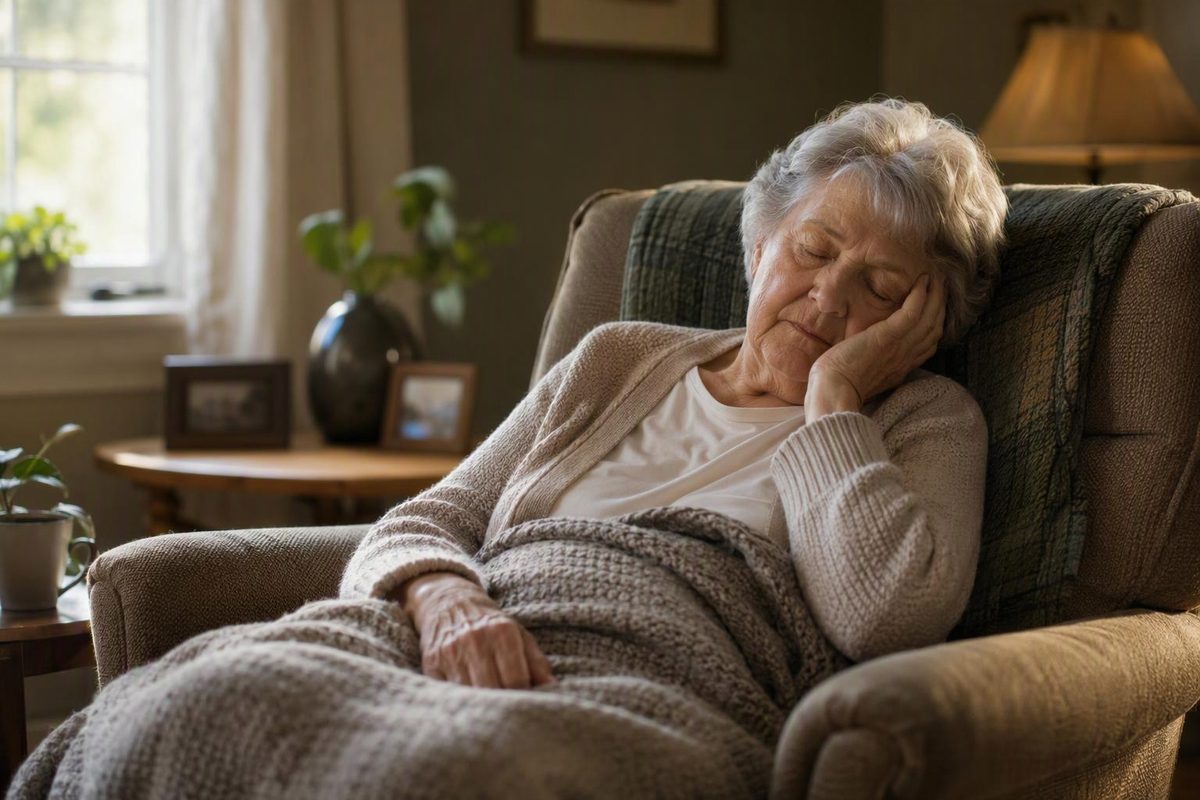
They can be a reason to seek evaluation, particularly in older adults—but unplanned naps alone do not mean dementia. A 2026 study linked unintentionally falling asleep during the day with a higher rate of later dementia classification among adults aged 65 and older. It did not show that naps cause dementia or establish a nap-based diagnostic test. Study abstract
The practical decision is simpler than the headline: if you often fall asleep without meaning to, or sleepiness is affecting daily life, arrange a medical appointment. You do not need to wait for memory problems. NHS guidance
What the 2026 study actually found
Johns Hopkins-led researchers followed 995 U.S. Medicare beneficiaries aged 65 and older for up to 10 years, using National Health and Aging Trends Study data from 2013 through 2023. Participants were free of possible or probable dementia at baseline under the study’s classification algorithm. They reported their nap frequency, intention and duration in 2013. Study abstract; Johns Hopkins study summary
Compared with non-nappers, the adjusted results were:
| Reported nap pattern | Association with later possible/probable dementia |
|---|---|
| Frequent naps—most days or every day | 48% higher hazard |
| Unintentional naps—falling asleep without meaning to | 39% higher hazard |
| Naps lasting 30 minutes or less | 40% higher hazard |
| Infrequent or intentional naps | No association detected |
These estimates accounted for demographic, health and sleep variables, including sleep duration, daytime sleepiness and obstructive sleep apnea risk. The association for naps longer than 30 minutes weakened after adjustment for sleep variables and was no longer statistically significant. Study results
“39% higher hazard” is a relative comparison between groups, not a 39% chance that an individual unintentional napper will develop dementia. The percentages also should not be added together when someone fits several categories.
A possible marker, not proof of cause
There are important limits to what this study can tell you:
- It was observational. It cannot show that stopping naps prevents dementia.
- Naps were self-reported, rather than directly measured.
- The outcome was an algorithmic classification, not a clinician-confirmed diagnosis for every participant.
- The population was 65 and older. These estimates should not be applied directly to younger adults.
The researchers note that degeneration in brain regions regulating wakefulness could itself lead to more frequent napping. Excluding dementia cases identified during the first five years left the frequent- and unintentional-napping associations similar, but this does not eliminate the possibility that early brain changes contributed to the sleep pattern. Johns Hopkins explanation and limitations
The short-nap result is not a reason to turn a planned 20-minute nap into a longer one. This was not a trial assigning people different nap lengths. Likewise, finding no association for intentional naps does not prove that every planned nap is protective or risk-free.
What else can cause unplanned dozing?
Unintentional sleep is not specific to dementia. Insufficient or poor-quality sleep can cause daytime dozing and can also impair concentration and memory. NHLBI guidance on sleep deficiency
Other possibilities include sleep apnea, narcolepsy, depression, and drowsiness from medicines, alcohol or other drugs. A clinician can review these possibilities rather than assuming a neurological cause. NHS overview
Mention loud snoring, witnessed breathing pauses or gasping at night. Together with daytime sleepiness, these can point toward sleep apnea; a sleep study may be needed to establish the diagnosis. NHLBI sleep apnea symptoms
When to act—and what to bring
Book an appointment if you repeatedly fall asleep during the day or sleepiness interferes with your life, especially if this is a new or increasing pattern. NHS guidance The study’s “most days or every day” category is a research definition, not a diagnostic threshold for dementia. Study summary
Also report noticeable cognitive changes: repeatedly asking the same questions, getting lost in familiar places, or struggling with familiar directions or everyday tasks. These warrant assessment, whether or not you nap. National Institute on Aging guidance
While arranging care, keep a simple sleep record:
- Bedtime, wake time and nighttime awakenings.
- Each daytime sleep episode: approximate time, length and whether it was planned.
- What you were doing when you dozed off.
- Medicines, alcohol use, snoring and any memory or functioning changes noticed by you or someone close to you.
A sleep diary can help the clinician investigate excessive sleepiness. Do not stop prescribed medicines on your own; ask for a medication review. NHS appointment guidance
If you become sleepy while driving, pull over in a safe place rather than trying to push through. Stop hazardous work if you are nodding off. This is an immediate safety concern, not something to wait on while investigating dementia risk. NHTSA driving guidance Sleep deficiency can cause uncontrollable brief sleep episodes and impair driving and other activities. NHLBI safety guidance
For a deliberate nap when you are otherwise well, see our power-nap length guide. Repeated involuntary sleep calls for a different decision: investigate why staying awake has become difficult.